Short answer
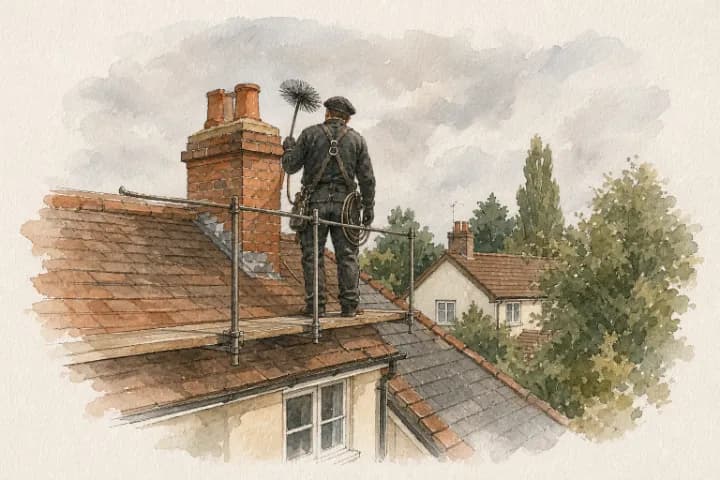
In the first week, learn where to turn off the water and power, and test the smoke alarms. Gather the house papers in one place: the survey report, the energy performance certificate, drawings, warranties and manuals. Find out when the fireplace was last swept, measure radon during the heating season and go through the house every season, and you will get to know it in the first year.
The first week
- Find the main stopcock and check that it turnsThe first weekIf there is a leak, the stopcock is what saves the house. Find out where it is, that it turns, and that everyone in the household knows where it is.
- Find the fuse box and test the RCDThe first weekPress the residual current device’s test button so that it trips, then switch it back on. The Swedish National Electrical Safety Board advises testing it regularly.
- Test the smoke alarms and add more if neededThe first weekThe Swedish Civil Defence Agency recommends at least one smoke alarm on every floor. Replace any that are older than the manufacturer states.
Gather the house papers
The documents are often available today, but they can be hard to find when you need them years later. Keep them in one place, ideally digitally.
- The survey report from the purchaseIt shows what the surveyor saw and what they recommended fixing.
- The energy performance certificateA valid certificate is normally required when a house is sold, and it is valid for ten years. Some buildings are exempt, such as some holiday homes. It often suggests measures that lower the energy bill.
- DrawingsIf you did not get any drawings when you bought the house, the municipality’s building permit archive often has them.
- Warranties, receipts and manualsFor appliances, the heat pump, ventilation and renovations. Note when the warranties end.
- ContactsTradespeople who have worked on the house, and the previous owner’s answers to questions about it.
Rules and official advice
Get to know the house over the year
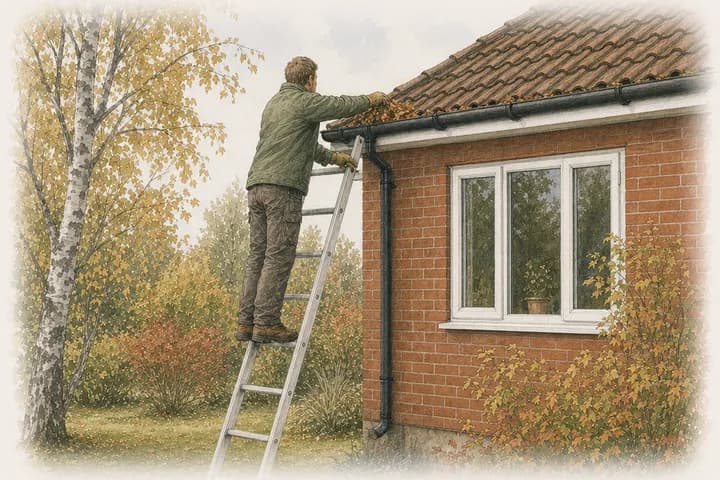
- Go through the house every seasonSpring, summer, autumn and winterLook at the roof, walls, foundation, ventilation and heating. Much only shows when the weather changes, like damp after rain and draughts when it turns cold.
- Write down what you doAs you goWhat was done, when, by whom and what it cost. It makes the next repair easier and shows a buyer how the house has been looked after on the day you sell.
Sources
- Swedish National Electrical Safety Board: Check your electrical installation (Swedish) (opens in a new tab)
- Swedish Civil Defence Agency: Smoke alarms (Swedish) (opens in a new tab)
- Swedish Civil Defence Agency: Sweeping and fire safety inspections (Swedish) (opens in a new tab)
- Swedish Radiation Safety Authority: Radon measurement (Swedish) (opens in a new tab)
- Boverket: Energy performance certificates (Swedish) (opens in a new tab)
This guide is general information. What applies to your house can depend on the municipality, the type of building and the installations, and then the sources have the final word.